The Story of Heyford: The changing character of the village during the 1950’s V1C10

Until the second world war, the village was largely a rural community and the population had been slowly declining. The school had been rebuilt in 1880 to accommodate 170 children at a time when the population was about 800. By the early 1950’s the population had fallen to 700 and the average attendance at school was only 70. This reflected not only the smaller population, but also the reduction in the proportion of younger people. The post war baby boom hadn’t yet hit us. Therefore Heyford in the 1940’s and 1950’s was taking on the profile of an ‘elderly’ village. An article in the Mercury and Herald in November of 1969 recorded that there were 24 residents in the village over the age of 80.

With the end of the war, young people were finding it increasingly difficult to get work in the village or to afford housing. The farms were becoming more mechanised, and the small cottage trades were being replaced by large new businesses such as British Timken which enticed the young men away with modern working conditions and good wages. The young people were therefore beginning to find work and homes outside the village.

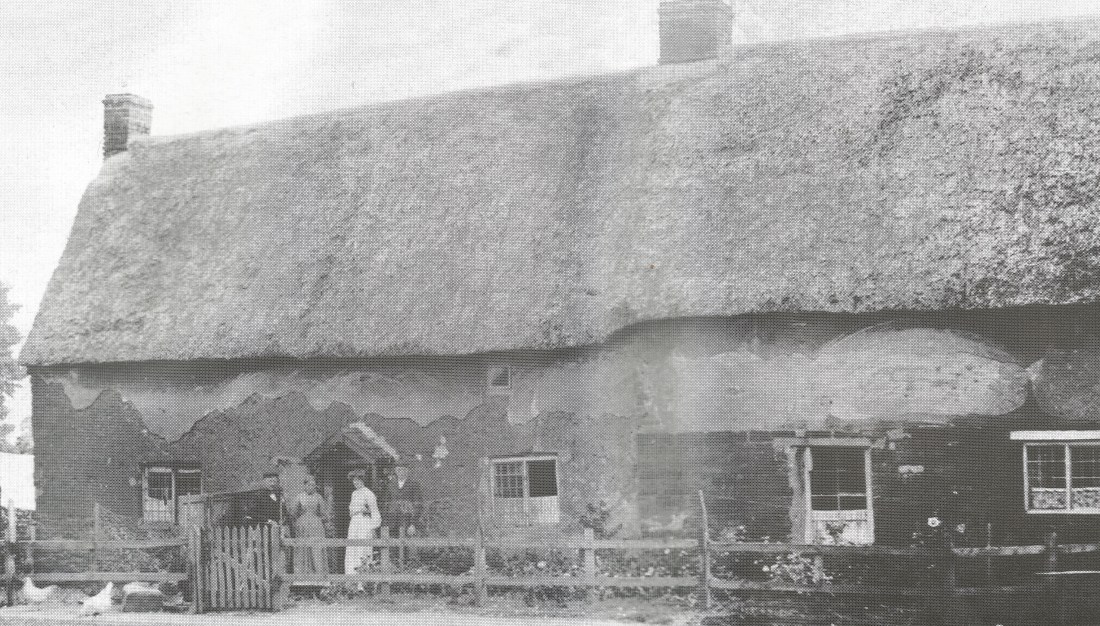
Some of the older buildings were becoming derelict and uninhabitable. Many of the old stone and thatch buildings were demolished and replaced by modern homes. These included three cottages on the far side of the green where Pound is now situated, four cottages at the bottom of Furnace Lane, Mrs Lilleys cottage between the Post Office and Methodist Chapel, and Brook Farm. On reflection it seems sad that we weren’t able to preserve these buildings. However some of the older residents recall how they didn’t always live up to their chocolate box image. They were often dark, damp, and infested with mice. Houses like this were expensive to maintain but the families that occupied them didn’t necessarily have the funds to do it. It was therefore quite understandable that people wanted to swap them for the modern comfortable housing which was becoming readily available. During the 1960’s the village began to change dramatically.

HEYFORD TOWN
Seems unbelievable, but could be true, and wouldn’t it be a pity;
In fifty years our little village could become just like a city!

Written in 1983 by Gordon Hayes of Close Road

Mary Warr’s ‘Diary of Change’
The following notes were made by Mary Warr while she lived in the village. She was the wife of George Warr who was headmaster from 1953 until 1975. Mary also taught at the school. Although they were ‘outsiders’ they spent many happy years in the village and became well respected members of the community. They took a leading role in a number of activities in the village including the Scouts, the WEA, the Library Service and the Theatre Club. During their time in Heyford the village changed enormously, and Mary kept hand-written notes of the changes as they occurred in a school exercise book which she later donated to the record office at Wootton Hall. The following notes are taken largely from that notebook.

‘We came to the village in 1953. The council houses in Furnace Lane and Church Lane, originally built in the 1930’s, were being modernised. Rayburn cookers were put in, along with bathrooms and deep drainage. In those days a cart called at many houses to collect the toilet contents.

In December 1953 Mrs Hazel left the school after many years service. In January 1954 the school children helped to plant trees in Coronation Avenue.

The council began to plan and build houses up Hillside Road and Hillside Avenue, and afterwards the cottages at the corner of Close Road were demolished. In the same year water sanitation was put in the school. 

In 1956 the school was rewired for electricity and repainted – bright colours this time. Also the senior children were removed and the school became a primary and infants school. All the classrooms had new floors, and the hall was built during this time.

In 1962 plans began to ‘make haste’ for the change from village street gas lighting to electric lighting. Electric lighting became a fact in September 1963.

In 1964 the village began to grow quickly. We had watched Mr and Mrs Cowling ’s dormer type house grow next to Mrs Smith’s farm.

Old cottages on the site of The Pound around 1900.
Nether_Heyford_The_Story_Of_Heyford_1.jpg

Photo lent by Charlie Copson

Mr Harwin at the Manor House began to build in the Manor field – Church Close. Now we can only dream of the buttercup field across which we brought the children back from church every other Ascension Day. The first people to move in were Mr and Mrs Buck and their son William whose bungalow is next door to Mr and Mrs Denny (the builder and his wife). 

In Manor Lane there are now houses too. At the end of 1964 houses up Furnace Lane next to Mr and Mrs Buck were built and inhabited.

In 1965 building work started on the field between Mr and Mrs Lilley and Mrs Jones. Two houses originally thatched next door to Mr Watson’s shop and the jitty were pulled down and rebuilt by the council.

Work is contemplated by Adkins and Shaw for houses in the Brook Farm Field, now owned by Mr Frank Hodgkiss and originally belonging to Mr Whitton.

In 1964 / 1965 houses were also erected along Bugbrooke Road, the first built for Mr Watson and his family next to Mrs Smith’s mushroom field.

Mrs Potter’s field was for sale in Church Lane in 1965 and it still remains to be seen what happens there. Two council houses built in 1965 to replace four thatched cottages on the green next to Mr Watson’s.

In May 1966 the village has changed its character. The field in front of Brook Farm is being built on by Adkins and Shaw. Houses are going up opposite too along the Bugbrooke Road. By the Rectory in Mrs Potter’s field are standing two bungalows built by Adkins and Shaw. There is to be a new Rectory in the Rectory gardens.

Mr C. Denny has built a new bungalow for his own occupation between Sunnyside and Miss Eales’ house. Furnace Lane has its quota of new houses on both sides now, and Middle Street has new houses from Mrs Buck’s down to the corner of the field. Only one space is left and the road has yet to be built in this area.

In the far corner of the field by the manor one house is inhabited and there is a right of way across the field from that corner to Middle Street. How we miss the freedom of that buttercup field.

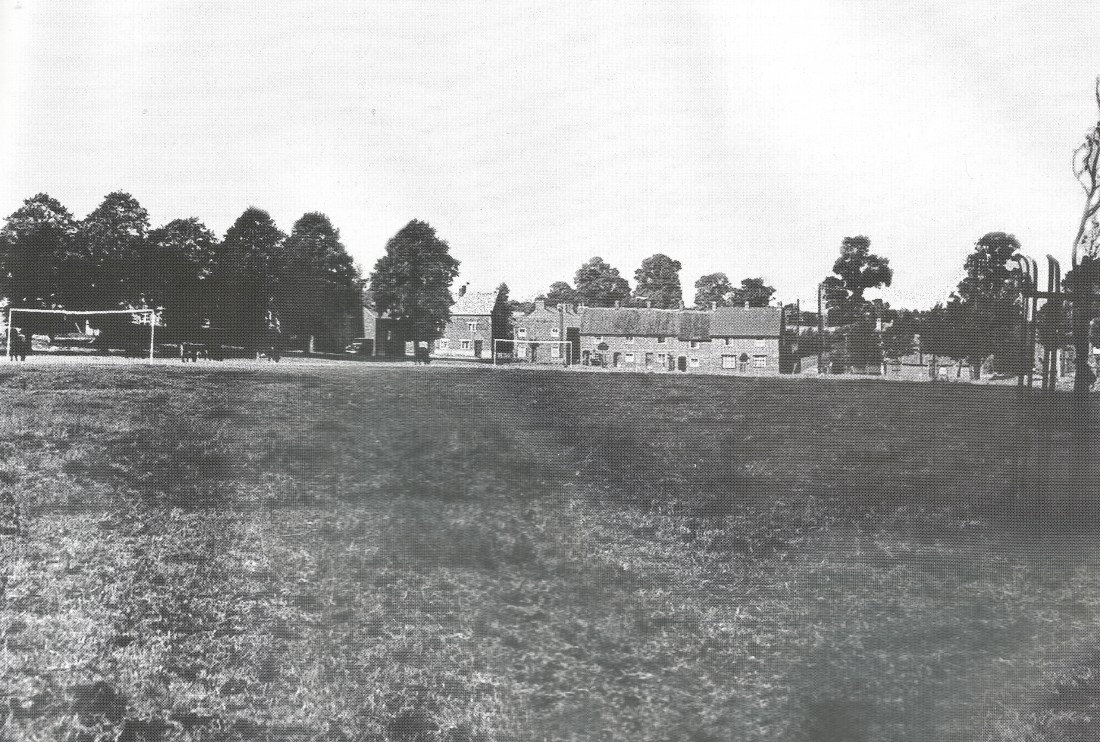
The four thatched cottages in Furnace Lane pulled down in 1965
Nether_Heyford_The_Story_Of_Heyford_2.jpg

Photo lent by ]udy Armitage

It is rumoured that Mr R Adams is going to sell yet another field and 100 houses are to be built. Ben’s Orchard is for sale – three plots – and three houses or bungalows are to be built in the Manor garden.

Middle Street is to be a one way street to Upper Heyford, and Watery Lane is to be widened to take the the traffic from Upper Heyford.

The Youth Club is now quite at home in the old Methodist chapel which was formally opened in the Autumn of 1965. Adjoining it, Mrs Lilley’s old thatched cottage, now belonging to Mr and Mrs Blaney is derelict. The thatch is falling off, the chimneys look very dangerous, and it looks as though all might collapse like a pack of cards.

The Post Office was moved from the corner to a cottage nearby just before Christmas, also the letter box, and the name of the village from January 1st became Nether Heyford.

A factory – light engineering – is to be opened at the furnaces and local labour will be used. At the parish meeting early this year it was proposed that seats should be erected on the green. Now, May 25th, they are still not there.

People have been turning out at night to hear the nightingale in the Furnace Lane direction. We are getting much more traffic in the village. It is hardly safe for dogs to be loose. People are getting used to seeing roads up – pipes, gas and electric cables have to be laid.

Mrs Potters field in Church Lane before the houses were built

Nether_Heyford_The_Story_Of_Heyford_3.jpg

Photo lent by ]udy Armitage

The small Heyford family is definitely having to get used to living with strangers in its midst. Meanwhile one can only conjecture on what will be the effect. It is quite true that nobody now seems to know everybody else. The intimate feeling of knowing our village is disappearing.

May 1967. Houses have been built in Church Lane, Wakefield Way (Mr Hodgkiss’s), Winston Close, Furnace Lane, Middle Street, Manor Walk and Weedon Road. And now building operations commence at the end of Close Road (Wilsons estate). I have lost count, and without walking round or consulting records I cannot estimate how many.

The A45 dual carriageway from Upton Mill to the Heyford flyover has been built this year. It is 3 miles long and cost £520,000

We ourselves, March 1967, have formed a Theatre Club and have 34 members. We are all set to visit the Shakespeare Royal Theatre on June 22nd to see “All’s Well that Ends Well”.

July 1968. Bugbrooke secondary school is now open. For the first time in 16 years a Parish Council election was held. All the members are Old Heyfordians. This I think is a pointer to the resistance the newcomer must meet.

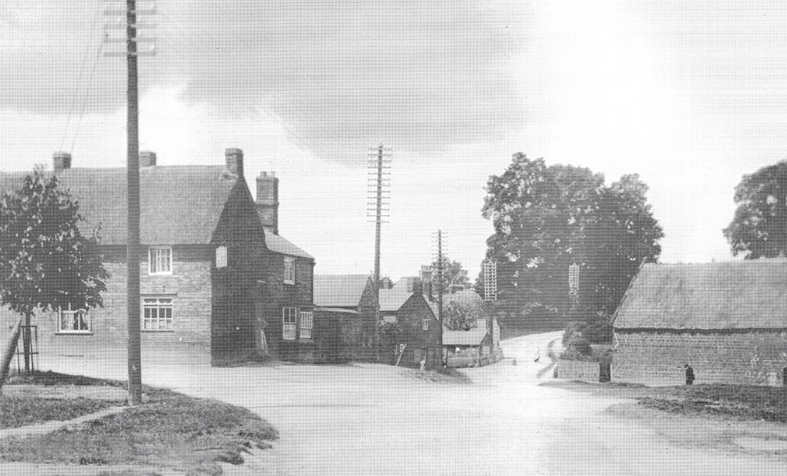
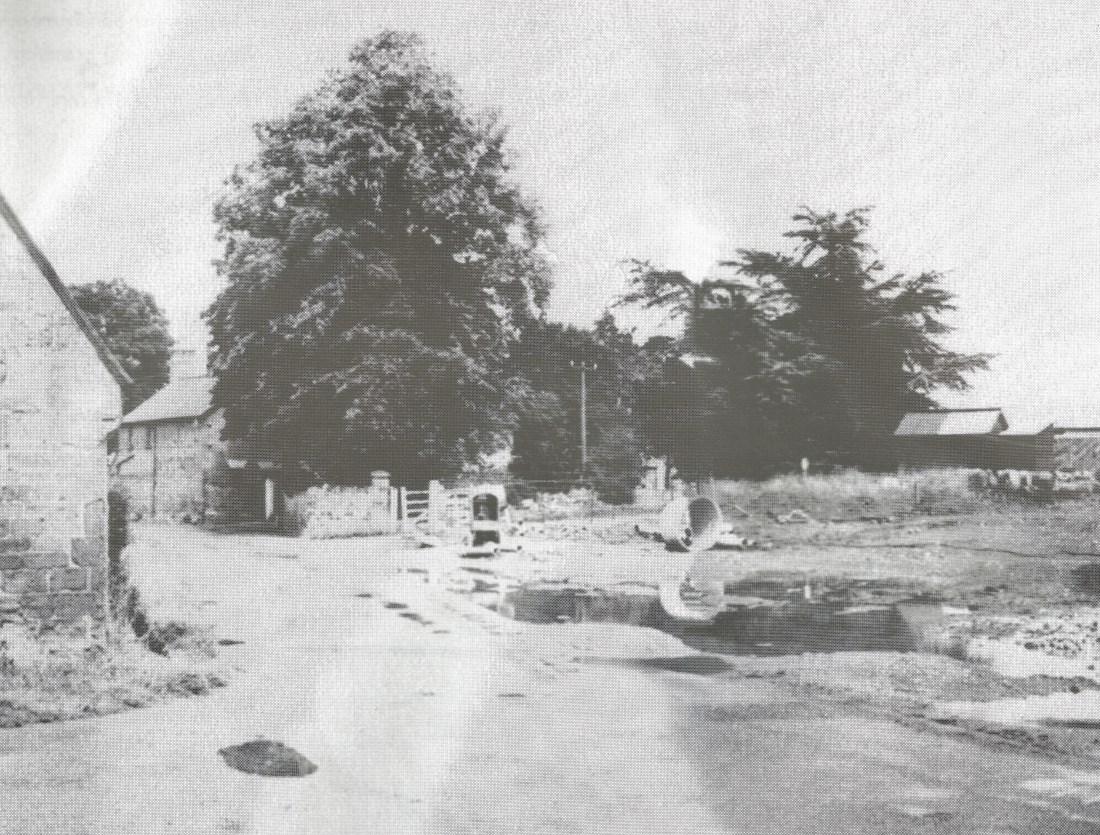
A view of Watery Lane before its development in the 1960’s.
Nether_Heyford_The_Story_Of_Heyford_4.jpg

Photograph lent by Mrs Searle

February 1969. It has been impossible to keep pace with all the buildings in the village and do my job as infants teacher. In Middle Street all the lovely trees were cut down in 1968. The school extensions started last year in March and we are now using our new hall. The Wilsons estate grows apace and so does Hillside Crescent and Winston Close.

People come and go. There is a flourishing play group for pre-school children. The WEA group is strong, and my own Theatre Club is now affiliated to the Arts Council.

The shop changed hands from Mrs Blaney to Mrs Eales. Mrs Blaney still has the post office, helped by Miss Humphrey. Mrs Lilley’s old cottage has been partly demolished to make it safe. Middle Street is being widened as far as the bridge and we now have a pavement opposite the School House.

1969. The new Rectory is being built. The school dining hall and kitchen were completed in January. Five Georgian houses have been built in Manor field . Mrs Lilley’s old thatched cottage has been razed to the ground. There is a building site at Brook Farm. There are buildings now on both sides of Middle Street and in the river field near the Manor. Mrs Highfield sold her shop. There is now a Green Shield Stamp shop to compete with the VG stores. John Haynes and his wife live at the post office and his wife helps Mrs Blaney. The Monday Club has been formed – it seems for young newcomers and their friends. The Youth Club is to be revived.

1970. A children’s playground committee has been formed. The brook has been dredged. The river has been dredged. Brook: Farm has been demolished in Watery Lane, and Middle Street has been provided with pavements.’

Mary Warr

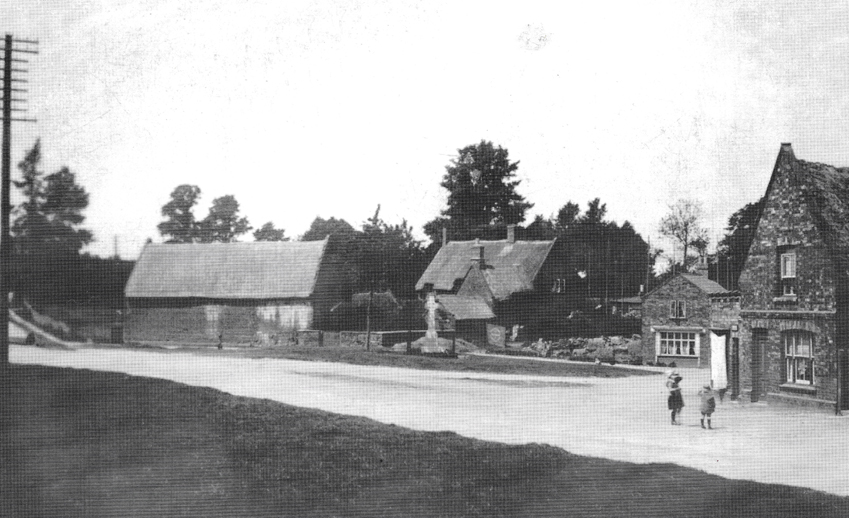
The Memorial Green.
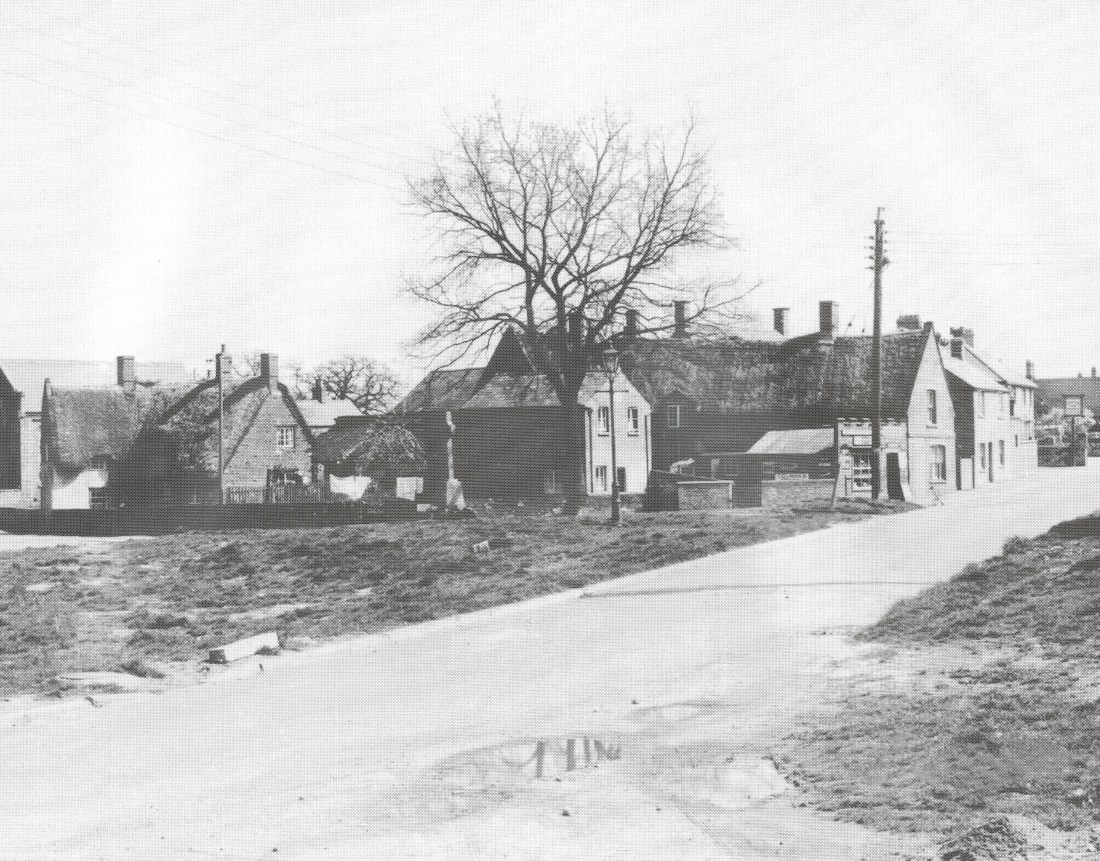
Nether_Heyford_The_Story_Of_Heyford_5.jpg
Photo lent by ]udy Armitage

The photograph above, lent by ]udy Armitage, was taken in the 1940’s. Towards the right behind the telegraph pole is the old thatched post office, demolished in the early 1950’s and replaced by the modern stores. In the centre behind the tree is the original Methodist chapel built in 1838. To the left of this is the thatched house occupied by Mrs Anne Clarke, Heyford’s midwife in the early 1900’s, and later by her daughter Mrs Lilley. This house was demolished in 1969.

HEYFORD’S BEAUTY
Of bureaucratic interference, no one is deserving,
But certain things in Heyford are truly worth preserving.
John Smith’s lovely farmyard, the school, the village green.
If developers ever get them, they’ll be no longer seen!
So the word ‘conservation’ should never cause a frown,
Let’s keep those lovely treasures so there’s something to hand down.

Gordon Hayes, 27th October 1983

~~

Extract from “The Story of Heyford” – Local book series published in the late 1990’s

Volume 1 of 4 | Chapter 10 of 13 | Pages 24 to 29

TheStoryOfHeyford_NetherHeyford_Footer

Heyford’s Historical Heritage  |  How the books were created

Index  |  Covers

The Story of Heyford: Heyford Hills Fruit Farm V1C9

Heyford Hills Fruit Farm

The magnificent house at Heyford Hills was built originally for the owner of Heyford Ironworks. In the late 1800’s it was owned by John Hardy, a farmer. During the 1940’s it was occupied by Major Campbell. In the late 1940’s, Mr Beck, a gentleman farmer came from Herefordshire to Heyford Hills and established a fruit farm for his semi retirement.

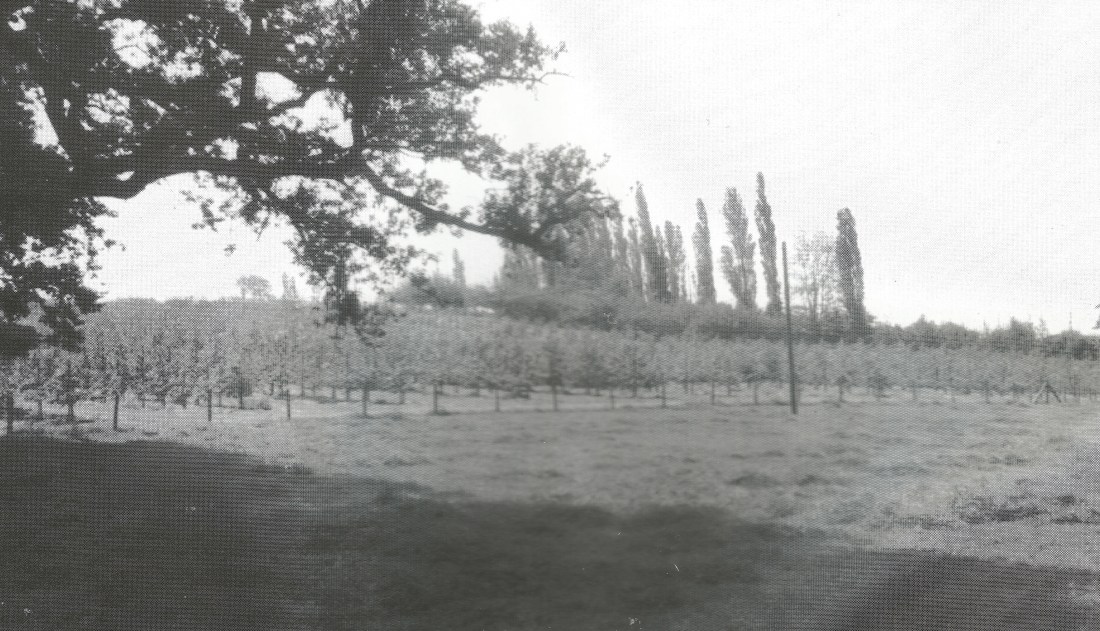
He planted 12 acres of fruit on the side of the hill to the right of the drive. He grew apples, plums, gooseberries and blackcurrants. It was a quite a good site because although it wasn’t south facing it was largely frost free and enjoyed the afternoon sun.

He employed local people to look after the fruit, doing pruning, general gardening duties and picking. Three people who worked there regularly were Mrs Butcher, Mrs Lilley and Mrs Sargeant.  Mrs Butcher, who provided much of the information for this article, worked there for 24 years.

The Fruit Farm

NetherHeyford_FruitFarm.jpg

Local people

During the picking season he employed thirty or forty local people. He sent a tractor and trailer into the village to collect them, mostly but often children as well because much of the picking was done during the holidays. The fruit was collected in small tubs, then weighed and put into 50 lb wooden barrels. The pay was a penny—farthing for gooseberries and twopence-halfpenny per lb for blackcurrants. It wasn’t much, but it provided an opportunity for local people to spend many happy hours picking and chatting amongst the fruit bushes in the warmth of the afternoon sunshine. Mrs Butcher remembers on one occasion picking 568 lbs of gooseberries in 6 hours. It was a messy job with stains from the blackcurrants and scratches the gooseberry thorns, and at local jumble sales people went searching for cotton gloves to protect their hands.

They used gooseberry graders to sort the fruit. The big fruit was sold locally to wholesalers as whole fruit, and the smaller ones were sent to a cannery.

When the fruit was ready to be taken away it would be loaded into bushel boxes (large wooden boxes with a handle at each end) and taken away by lorry to commercial processors in Cambridge and Stratford to be canned or to make drinks and jam.

Mr Beck

Mr Beck himself was a wealthy man. He had been a pilot in the first world war and still had the tail of a German plane that he’d shot down. He had some property in South Africa to which he returned each year and to which he eventually retired in 1975. He enjoyed expensive cars and had four or five Mercedes. He hard worker and expected those around him to work hard too, but he was a real gentleman and everybody loved him. He took an active part in the village and was at various times president of the football and cricket clubs.

Mrs Beck’s interest in dog shows for which she was a judge. She employed a kennel maid and kept alsatians and beagles, many of which won prizes. She often judged the dog shows at the village fete.

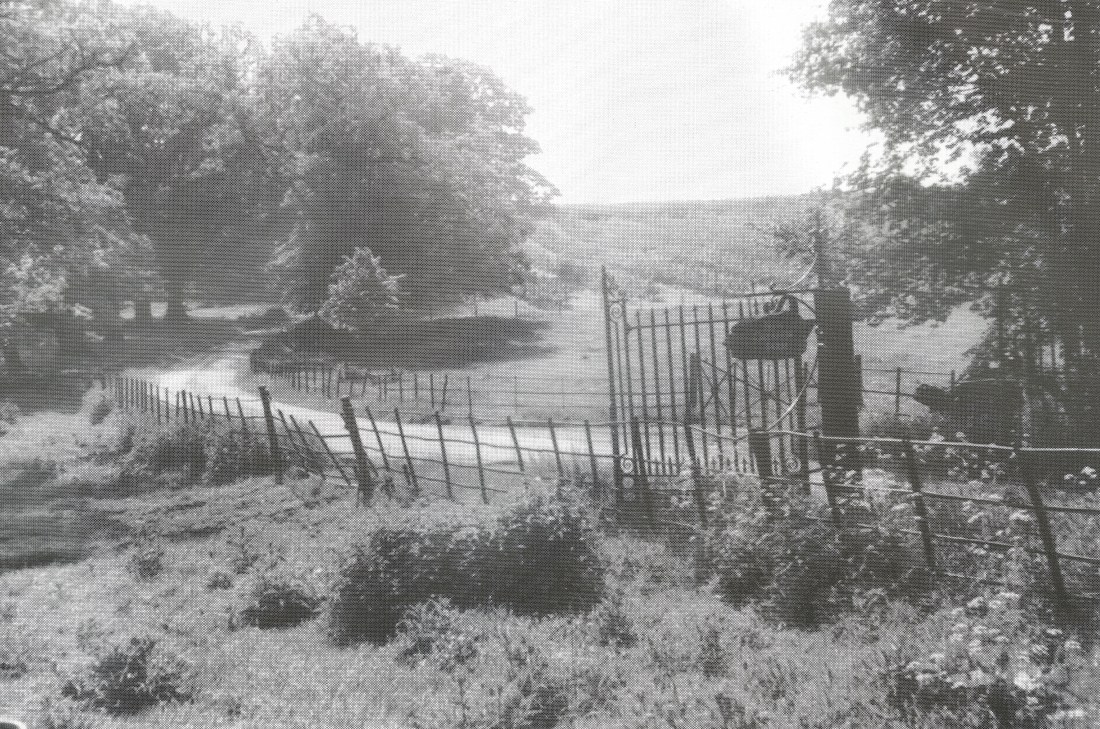
The entrance to ‘New Creation Farm’ in 1996

NetherHeyford_NewCreationFarm.jpg

The Jesus Fellowship

In 1976 Beck sold the farm to the Jesus Fellowship. Dave Lantsbury of the Jesus Fellowship first came across Heyford Hills in the early 1970’s. He was a teacher at Campion school and had brought some rural studies students to see the farm. Around that time the Jesus Fellowship were starting to develop their about a community existence and when the farm came up for sale in 1975 the Jesus Fellowship brought it. They renamed it ‘New Creation Farm’

At first they took over the twelve acres of orchard. They added some sows and chickens, they installed 70 bee hives, they planted potatoes, and they extended the fruit bushes right down to the drive. They later bought some other neighbouring land, together with Novelty Farm on the A5. Today they have 300 acres and run the farm as a community, both to feed themselves and to produce crops for selling commercially through their farm shop.

Stephen Ferneyhough

~~

Extract from “The Story of Heyford” – Local book series published in the late 1990’s

Volume 1 of 4 | Chapter 9 of 13 | Pages 22 & 23

TheStoryOfHeyford_NetherHeyford_Footer

Heyford’s Historical Heritage  |  How the books were created

Index  |  Covers

The Story of Heyford: The Humphrey family and ladder making V1C8

Laddermaking did run(g) in the family! The Bugbrooke firm of J Ward and Son were undertakers and ladder makers and three generations of Humphreys worked there. Ernest Humphrey, Ron and Arthur’s father, was born in Bugbrooke and worked at Ward’s with his wife’s father. Ernest became a journeyman carpenter and for a while went to work in Loughborough with Moss Builders who built the Narborough mental hospital. He remained at the hospital where he was responsible for building maintenance and helped the patients in the workshops there. He married Alice who had been a children’s nurse in Northampton and they started their family, but he became unwell and had to leave his job as a result. The asylum, as it was then known, continued to pay him a small pension until his death in 1936.

How the business began 
The family came back to live in Northamptonshire, only this time in Nether Heyford. Ernest returned to Ward’s. His eldest son Ron went to work there in 1920 when he left school at the age of thirteen, and perhaps it was their experience of working together that encouraged his father to start his own business in Nether Heyford. The asylum pension allowed him to buy the first lot of poles used in the business. Steve Ward, their previous employer was not very happy about this and threatened ‘to smash them’. He even took out a summons against them for not working out their notice, but it didn’t come to anything and in time relations once again became amicable.

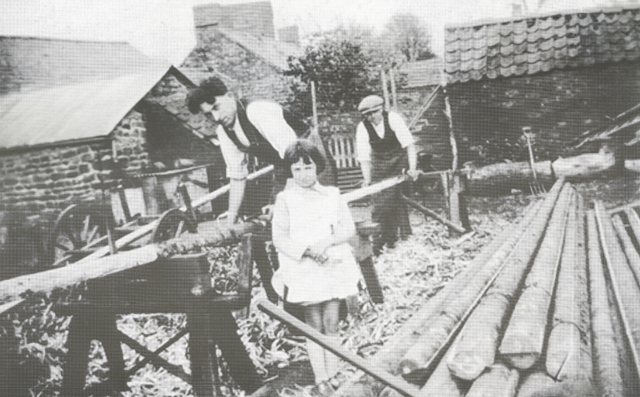
At that time the family lived in the cottage on the south side of the Green, no 17, where Mrs Pearson now lives and near to the old folks bungalows. They used the house and garden to make ladders. The garden was turned into a work yard for boring holes in the poles which formed the ladder sides, and for assembling the ladders. The room which is now the living room but at that time was a wash house, was used to make the ladder rungs. The chips left over from making the ladder rungs provided a useful supply of fire lighting material and were sold to local people for sixpence a sack. The ladder sides were planed in a barn behind the Baptist Chapel Rooms, now gone, and at that time owned by Mr J.O.Adams. This space was also used for finishing the ladders off: painting, etc.

Their first venture into business was not a financial success. They were offered a big order from a firm out of the area, which they duly completed. Somewhat strangely they had been asked to deliver the ladders to Travis and Arnold in St James, Northampton from where the ladders would be collected. Having no transport, Mr Humphrey, Ron, Arthur and daughter May had to push the ladders into Northampton on a cart. They were delighted to have made a good sale and looked forward to settlement of the account as money was tied up in timber stock. This was not to be. The firm went bankrupt and not a penny was received.

The move to Church Street
Younger brother Arthur joined the business in July 1923 when he left school. Money was tight and it took time for the business to establish itself in the harsh economic climate of the years after the First World War, but in time it grew sufficiently for Mr Humphrey to buy a property in Church Street where there would be much more space for the family business and home.

The property in Church Street comprised a group of farm buildings complete with an orchard, still there, and a stream with watercress growing in it. The farm was bought on 8th August from Mrs Lookes, an elderly lady who lived in St Matthews Parade in Northampton. There were a number of sitting tenants who, one imagines, were rather disconcerted at the prospect of having to find somewhere else to live. There was Mrs Dunkley who moved to another cottage in 1928, the Collins family who moved to the farm beside the canal bridge in Furnace Lane, the Barnes, the Clarke family and Mr H Gilke.

When Mr Collins was served notice to quit it seems that he didn’t take it lying down and Mr Humphreys noted in his records that he ‘used abusive language to me’. It was not until 1929 that the Humphreys finally moved in.

In the meantime there were rents to be collected and taxes to be paid and it is evident that Mr Humphrey was concerned that the rents were not really sufficient to pay his overheads. It seems that in 1929 ‘the property only brings in yearly £51-12s-6d’.

The large stone farmhouse was in a sorry state and barely habitable. There were also two Victorian cottages on the right hand side of the drive into the farmyard. It was decided to live ii the old farmhouse and to renovate one of the cottages. Eventually the family moved into the cottage, although by that time May was already living at Moulton. When Ron married he moved into the cottage next door where he spent the rest of his life. When Arthur married he moved into a house in Church Street and then to a house on The Green where he still lives.

Ron, Sheila and Arthur in the 1930s

The_Story_Of_Heyford_Nether_Heyford_Ladders_1

Photo lent by the Humphrey family

On the farm there was plenty of space to erect two good workshops fitted up with gas lamps. One of the Workshops (where Ladder Cottage now stands) was assembled from an ex-army sectional building. It had a beautiful wooden lining and good windows, and was large enough to take the assembly of a sixty rung ladder. When the business was closed the building was dismantled and sold to a scout group east of Northampton. The other workshop, still standing, was lined with First World War munitions boxes and the pillars for the building were built by Mr Denny.

The  ladders were made by hand until 1946 when a universal machine was bought from Birmingham. This was purchased with the proceeds of selling the family’s dairy cows and Arthur attributes the success of the company to the fact that from that early date they made a point of investing in new machinery. Other machines came from Fells of Windermere, a firm which is still in business. These machines made the work much easier and enabled production to be increased.

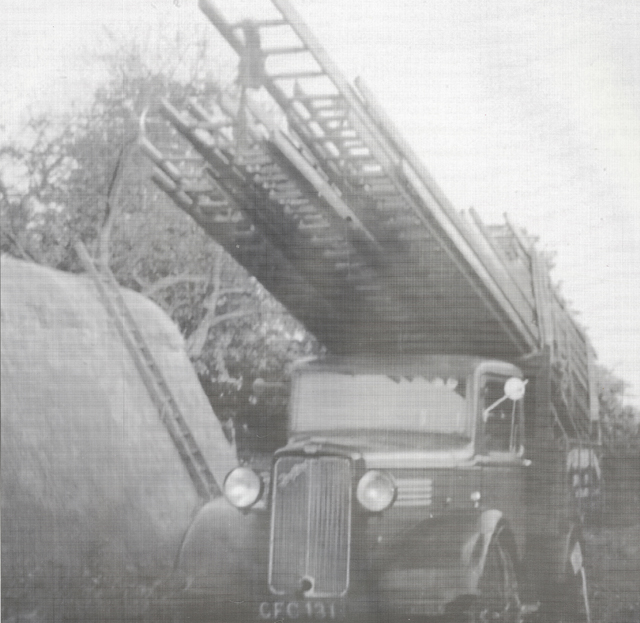
The Humphrey’s first and last lorry

The_Story_Of_Heyford_Nether_Heyford_Ladders_2

Photo lent by the Humphrey family

The ladders were made from two very different timbers. The sides were made from ‘poles’ imported from Norway and were of Christiana pine and spruce. A special trip would be made to Great Yarmouth or Hull to inspect them. They were then brought by train to Weedon from where they had to be delivered to the workshops, sometimes by the local carrier, Tarrys. Timber was also bought from the London timber docks, south of the River Thames at Surrey Docks. The poles were brought in ‘green’ and were seasoned on the farm. Oak was used for the ladder rungs, and for this it was necessary to go to Leicester where they could be relied upon to supply good quality timber. They must have liked the Humphreys ladders because they would buy their ladders to sell on. Mabbutts of Brixworth supplied first class oak which was knot free. Oak was also bought from Badby and from between Everdon and Stowe. When the oak became scarce and too expensive and the Humphreys had bought the last oak from Earl Spencer’s estate, they turned to ash of which supplies were plentiful. During the war all timber was rationed and it was necessary to have a licence to buy the poles from local merchants.

Many different types of ladder
Over the many years different kinds of ladders were made. They were of different lengths and were measured by the number of rungs they had. A thirty rung ladder was twenty-two feet long. When a pole was split to make the sides of the ladder it produced a round side and a flat side. Builders liked to have the round edge on the outside. perhaps to make it easier on the hands when climbing up it. Others such as farmers and thatchers wanted the round side to the centre, perhaps so that it would not hurt their knees if they leant against the ladder, but also because the thatchers would use the outside face of the ladder as a straight edge to help them lay the thatch.

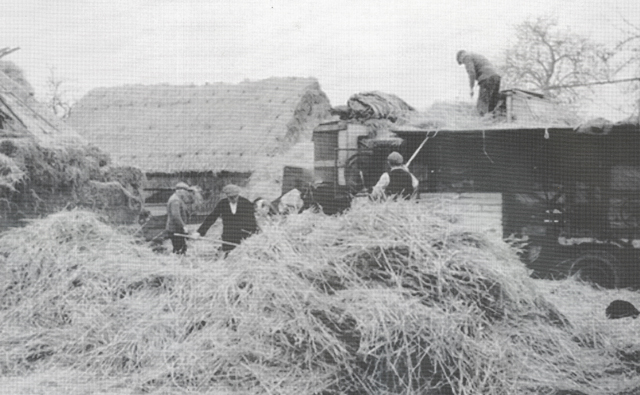
Thatching hay ricks using Humphreys ladders

The_Story_Of_Heyford_Nether_Heyford_Ladders_3

Photo lent by John Smith

There were extension ladders too. The longest was a triple extension ladder of ninety-three rungs for a hotel in Bournemouth. There were also window cleaners ladders and decorators ladders. Some of the ladders were painted, others simply stained. Load ladders were made of willow and were used by farmers when loading the hay wagons. The willow for these was cut from along the Nene Valley and they were not straight. In fact they were deliberately irregular so that if they were knocked over when the hay wagon was loaded they would fall to the ground and rock but not break. Load ladders were also used for thatching hay ricks or ‘thaking’ as it was called locally. The ricks were thatched to keep the hay dry over winter.

In 1930 a forty-five rung ladder for the Northampton Electric Light & Power Co. cost £5-6s-8d. This company were for some years the Humphreys’ best customer with an insatiable need for ladders, and in that same year bought at least fifty of various different lengths. Electricity was still relatively new and presumably the company were busy putting up poles to serve the new customers. I wonder how many of the poles which still exist in Hey-ford were put up using a Humphrey ladder.

Nearly all the customers were local at the beginning but over time it became necessary to look to a wider market and it was then that the ladders began to be exhibited at the annual agricultural shows. Each summer the Humphreys triangular ladder display was loaded up on to the lorry and taken to such shows as the Royal Show at Stoneleigh, and the East of England Show at Peterborough. In time Humphreys ladders were delivered within a seventy-five mile radius which included Worcester and Coventry. But it was the local firm Travis and Arnold which became their best customer.

The Humphreys did not only make ladders. A 1930 order came from ].Y.Castell of Gold Street in Northampton for four milking stools at 4/ – each (less 10% discount), and in the same year a ‘navvy’ barrow was made for W.G.Denny of Nether Heyford for 35/-. They also did repairs such as fixing a gate for the Parish Council, sharpening saws or repairing the handle of a billhook or mallet for Mr J.O.Adams. There seems to have been a delay in settling this bill which eventually involved the exchange of 1.5 cwt of potatoes.

In time a number of local ‘youths’ came to work in the ladder workshops including Bill Kingston, Cliff Gilkes and Ted and Maurice Sargent.

Other family activities
While the men of the family were busy making an selling ladders the women were also active. May Humphrey, the second child, was the post mistress at Moulton for many years before coming back to Nether Heyford to work in Mrs Blaney’s post office. May and Sheila, the youngest daughter, lived in the family home with their mother. For a while they moved into Northampton where it was easier to look after Alice but she died shortly afterwards in 1974.

Arthur and his sister Sheila were well loved members of the Bugbrooke Choir. May was known for her Albert the Lion monologue of which Stanley Holloway also gave a good rendition, and with a bit of encouragement May can be persuaded to do it even today ! The family were stalwart supporters of the Baptist Chapel, May having been Church Secretary and Shelia playing the organ for many years.

Arthur was also a keen gardener and for sixty years gardened the allotment next to the Church Street jitty. This once was a fine garden with flowers and vegetables and the food grown was enjoyed by the whole family.

In order to help with the family finances Ernest had started a milking herd of about nine cows. They had names like Buttercup and Daisy and would respond to their names when called. On Ernest’s death Arthur took over responsibility for the cows which most days would be driven up to fields on Weedon Road. To the dismay of Alice and Arthur, Sheila’s pet lamb, Betty, did not like to be left behind and used to try to go out with them, walking beneath one the cows where it was hard to detect her. There were also hens and many fruit trees. Because of these farming activities Arthur was exempted from the war and the Humphreys continued to deliver milk to local people throughout the war years. When they sold their herd Sheila continued to deliver John Smith’s milk for a while before getting a ‘proper job’.

During the war many people were expected to accommodate evacuees and the Humphreys were no exception. Mrs Humphrey was asked to accommodate a Mrs Buck and her children, and she did what she could to make the old cottage next to the farmhouse habitable, although by now it was in a very sorry state. Mrs Buck’s husband would come up from London at the weekends and in time he got an allotment. He knew nothing about growing vegetables but learned quickly, and to the amazement of the other men in the village was soon producing some of the best. One of the Buck boys was so impressed with Nether Heyford that at the end of the war he decided to stay and in time moved to a house in Furnace Lane. His son Jeff still lives in the village. I always thought he had streak of the Londoner in him. Now I know why !

The later years
The Introduction of baling machines meant that hay as no long loaded onto the wagons and the demand for farming ladders dropped almost overnight. Arthur can remember the first baler in the village at what is now New Creation Farm. The demand for wooden ladders continued to decline after the war. New, lighter metal ladders began to appear. The lack of demand, together with the lack of younger members of the family wanting to go into the business led them finally to close in May 1975. Ron was then 68 and read to retire. He died in 1994. Brother Arthur took retirement and with his wife Nora gave much of their time to the Hospital Guild in Northampton. Nora sadly died but Arthur Humphrey can still be seen walking round the village and gardening in spite of his very bent back, probably brought on by the heavy work of lifting wooden ladders.

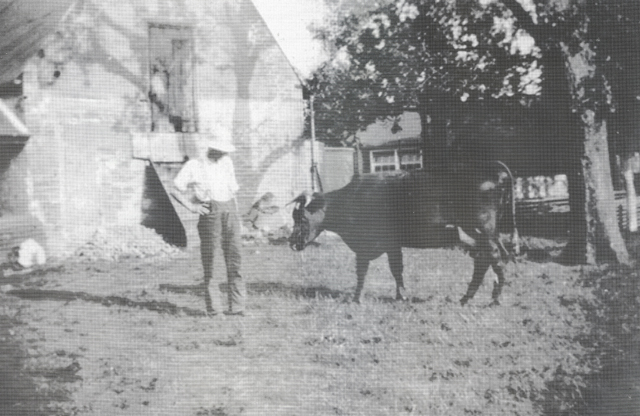
Mr Ernest Humphrey and Kit the cow in the orchard in the early 1930s

The_Story_Of_Heyford_Nether_Heyford_Ladders_4

Photo lent by the Humphrey family

In 1985 a house was built on the site of the assembly shop and Sheila and her husband Albert Beharrell moved into it. It is aptly named ‘Ladder Cottage’. The old farmhouse has now been largely demolished, although part of it has been incorporated into house built in 1995 by John Connolly for Albert’s daughter and her family. May still lives in the house that the family renovated for themselves ,and Ron’s daughter Jean lives in her old family home next door to May.

Eiluned Morgan (1996)

~~

Extract from “The Story of Heyford” – Local book series published in the late 1990’s

Volume 1 of 4 | Chapter 8 of 13 | Pages 16 to 21

TheStoryOfHeyford_NetherHeyford_Footer

Heyford’s Historical Heritage  |  How the books were created

Index  |  Covers

The Story of Heyford: The Jubilee Hall V1C7

The Jubilee Hall used to stand just behind the memorial green, on the opposite side of the road to where the Butchers and Patisserie are today. It was a stone barn with a thatched roof and was used as a meeting place for clubs and events much as the village hall is used today .

It was an ancient building, possibly built in the late 1600’s at the same time as ‘The Springs’, the thatched stone house which still stands today just behind the site of the Jubilee Hall. In the late 1800’s and early 1900’s the house and barn were occupied by a family called Smith who ran a laundry there. Bob Browning who was born in 1892 recalled the laundry but we don’t know for sure whether it was run from the house or the barn.

The name Jubilee Hall is believed to have originated from Queen Victoria’s Jubilee, probably her Diamond Jubilee of 1897. It may be that this was when the barn began to be used as a meeting place rather than as a laundry.

In 1914 the house and barn which had been owned by the Church were bought by the Ward family  The Jubilee Hall continued to be used as a meeting place until around the time of the second world war, and we have several local memories of it from the 1920’s and 1930’s.

The Jubilee Hall

JubileeHall_NetherHeyford_1920

Photo lent by Janet Randall

This photograph, lent by Janet Randall, was taken in 1920. n the far right is the old Post Office. To the left of this can be seen the scaffolding from the building of the New School House. In the centre of the picture is the thatched house known as ‘The Springs’, and in front of this is the war memorial.  Note the size of the oak tree beside it. The building on the left is the Jubilee Hall.

Memories of the Jubilee Hall
In March 1981 there was an article published in the Prattler, written by Marjorie Hamborg, based on information from Mr and Mrs Amos Lee, which gives a good insight into its use. This article is reprinted here in italics but we have also added some additional information based on the recollections of a number of other local people.

From The Prattler March 1981
“Our readers may have noticed that to the left of the thatched cottage facing the Memorial Green there is an old wall built of Northamptonshire stone. As this is now being reshaped to camouflage the building of a garage, I thought it would be of interest to know a bit about the history of this part of Heyford. So I visited my friends Mr and Mrs Amos Lee in Furnace Lane as they can give us new villagers some of the history of the Jubilee Hall that used to stand on this site.

At one time this was the only place where the young folk could gather, and here they came to play darts, skittles, rings, bagatelle, and a bit of boxing.”

It was also used for private parties. Dorothy Kingston had her Wedding reception there and Tommy Rolfe of the Foresters supplied them with a ham for £1.

The Pussyfoot Club
“The hall was mainly used by the men of the village, was teetotal, and was given the name ‘Pussyfoot Club’. The ladies of the village were invited when a dance was held there. Mrs Dorothy Kingston remembers them well, the fiddle being played by Lily Porch and Bern Kingston, and the piano by Lily’s sister Phillis. I also understand that Mrs Cameron from the school also used to take part. There was a small stove around which wet clothes could be dried in bad weather.”

Bob Browning who was born in 1892 recalled that ‘it was open six evenings a week between 6 pm and 10 pm. You could buy drinks there and play skittles. Sometimes there was also boxing, done in those days with bare fists.’

Bill Nickolls also remembers the Pussyfoot Club. The youngsters came from 5 pm to 8 pm. They paid a halfpenny per night to play darts, billiards, skittles and cards. Later the older ones came. They took it in turns to run the bar. Bill remembers on one occasion how somebody put a firework in the keyhole. The door jammed and they had to escape through the toilet window by climbing on the bucket.

Bill Kingston remembers the dances on Saturday nights. His father Bernard, and Lily Porch (later Mrs Green) played the violin. They danced waltzes, the military two-step and the lancers (a formation dance).

“However partly due to agitation by mothers whose sons became too fond of the card games carried on there, and partly to difficulty of getting committee members to organise events, the hall fell into disuse.”

The Laundry
“Before Mr and Mrs Ward came to live in the cottage Mrs Lee’s stepmother had a laundry there and Mrs Ada Smith can remember as a child seeing Mr Lee trundling his basket of clean laundry up Furnace Lane.”.

Cobblers Shop
Another person remembered with the Jubilee Hall during the 1930’s was Sid Eales. There was a small wooden hut next to the Jubilee Hall in which he ran a cobblers shop. He had been injured during the first world war and walked with a limp. He not only mended shoes, but would also take bets on your behalf if you wanted him to.

Fire wood and the black market
Jack Haddon had a timber yard a little way up Weedon Road Where the Randalls now live.

“Mr Lee tells me that during the second world war years the hall was used for chopping firewood and he remembers what a grand employer Jack Haddon was, working alongside Mr Lee, Mr Andrews, three or four women from the village and others, and there was a good trade with the bundling machine working at full blast. The wood came from as far as Brockhall Park and was stored in the paddock at the side.”

Jack Haddon apparently also did some black market dealing there during the War. There’s a story which says that while a deal was being struck inside the hall there was some panic because the local bobby was seen approaching. “Don’t worry,” said Jack reassuringly, “he’s only coming to pick up his joint!”

The Final days
When at last the hall was no longer used it fell into disrepair. Around 1954 the building had become unsafe, and when David Ward removed one of the beams it finally collapsed. Mr Ward had the wall built along the boundary line and many of the remaining slabs of stone disappeared in various directions.

Weedon Road/Furnace Lane

JubileeHall_NetherHeyford_FurnaceLane

Photo lent by Janet Randall

This photograph shows the view along the Weedon Road. The Jubilee Hall is on the right hand side and Sid Eales Cobblers shop can be seen at the end of the building.  On the left of the picture is the butchers shop and slaughterhouse. Note also the telegraph poles and the lack of proper kerbs and pavements.

Margorie Hamborg and Stephen Ferneyhough

~~

Extract from “The Story of Heyford” – Local book series published in the late 1990’s

Volume 1 of 4 | Chapter 7 of 13 | Pages 13,14 & 15

TheStoryOfHeyford_NetherHeyford_Footer

Heyford’s Historical Heritage  |  How the books were created

Index  |  Covers

The Story of Heyford: The Toilet Cart V1C6

Until the l950’s there was no main sewage in the village. People had no proper sanitation, just an outside toilet with a pit or a pail. Some of these little buildings still exist as tool sheds or stores but most have gone. Inside the toilet was a bucket which would be emptied around once a week, usually onto the allotment.

Then some time in the early 1900’s the parish council organised a weekly collection of buckets. Bob Browning recalled how two men were employed with a horse and two—Wheeled cart to collect the contents once a week. The contents would be taken away for disposal. The cart had two wheels for easy tipping.

Bill Nickolls recalls that in the 1920’s there was a special cart for the purpose, shared with Bugbrooke. Jack Earl who at that time organised the collection, had to go twice a week with a horse to collect the cart from Bugbrooke. Collection in Heyford was on Monday and Friday evenings. People would put out their buckets, much as they do with their dustbins nowadays, and the cart came to empty the contents. Jack employed Bill Nickolls and Jo Charville for this task. They were provided with boiler suits, gloves, wellingtons, and flashlights with batteries. The pong was bad but the pay was good! It was done late in the evening after people were mostly indoors with the windows shut. The contents were taken to a field beyond the houses on the right hand side of Furnace Lane where they were emptied into a trench and ploughed in. Even so the field was littered with paper which had escaped the trench and blown around in the wind. Sometimes two journeys were necessary and sometimes only one. There were also one or two places on route where the buckets could be ‘unofficially’ emptied (if the contents were mostly liquid!) to avoid the need for two journeys to the official dump.

In the 1930’s the collection was organised by George Faulkner of The Bricklayers Arms. Bill Kingston remembers him parking the cart under the oak tree on the memorial green waiting. for his helpers to arrive — Ted Charville, Jo Charville, Amos Lee and ‘Tankie’ Haynes.

There are stories of one or two accidents. An evacuee boy called Tony Sweet was walking backwards up Furnace Lane where there was an ‘avenue of pails’ and he tumbled into one of the buckets. He seemingly got a good telling off because he took a lot of cleaning up. There is also a story about ‘Mucky Matthews’, who apparently fell backwards into the cart when his horse reared. Hence his name!

~~

Extract from “The Story of Heyford” – Local book series published in the late 1990’s

Volume 1 of 4 | Chapter 6 of 13 | Page 12

TheStoryOfHeyford_NetherHeyford_Footer

Heyford’s Historical Heritage  |  How the books were created

Index  |  Covers

The Story of Heyford: The King William Pub V1C5

The building which is now number 24 Furnace Lane to the left of the old bake house used to be a pub called the King William. It was listed in the 1891 Census return as the ‘King William IV’ and it was occupied at that time by George Collins, a blacksmith. There is a pear tree growing up the side of the building and some of the local people say-that it took its name ‘William’ from this. Bob Browning recalled that it was run before the first world war by a man named Leeson but it did little trade. It was last occupied as a pub in the 1930’s by a man named Waters but there seems to be nobody left who remembers it in use.

The building used to have a cellar but when the wooden floor became rotten it was filled in with rubble and concreted over. The present house still has holes in the wall from when there was a dart board there. .

~~

Extract from “The Story of Heyford” – Local book series published in the late 1990’s

Volume 1 of 4 | Chapter 5 of 13 | Page 12

TheStoryOfHeyford_NetherHeyford_Footer

Heyford’s Historical Heritage  |  How the books were created

Index  |  Covers

The Story of Heyford: Heyford’s Bakeries V1C4

There has presumably been baking in Heyford ever since there has been a settlement here. Both Heyford and Heyford Mill are mentioned in the Domesday Book, and the proximity of the mill meant that there was always a local source of flour.

There are several records of baking in the village during the 1700’s and 1800’s:
– The Militia list of 1777 mentions Henry Burch and Robert Burch as Bakers.
– The 1841 Census lists John James, Joseph Claridge and John Cole.
– The Kelly’s directories in the 1800’s show several bakers:

  • Mrs Margaret Jones, baker and shopkeeper, 1854
  • William Claridge, baker and retailer, 1864
  • Isaac Woodhams, baker, 1864, 1869, 1877, 1885, 1890
  • Charles Smith, 1869
  • Daniel Roe, 1877

Until the first world war the building on the corner of Furnace Lane and Weedon Road (now Tops the hairdressers) was the Bakers Arms pub, so called because the landlord Mr Pinnock had a small oven for baking bread. A small oven was also discovered in the old post office building when it was demolished in the early 1950’s.

The Faulkner family 
But from the 1890’s to the 1940’s most of the village’s baking was done by Thomas Faulkner and his family. He had two sons, Walter and Wesley, and five daughters. Much of the following information came from his great grandson Dennis Clarke.

The Faulkner family ran two bakehouses. The first was in the red brick house (now number 19 Church Street) owned by Thomas Faulkner. He ran it with his son-in-law, Fred Furniss. They were from staunch Methodist families well respected in the village. They didn’t drink or smoke. Thomas Faulkner was for many years a lay preacher at the Methodist chapel, and was also the first chairman of the Parish Council.

Then some time during the first world war he established a second bakehouse with a larger oven in the building which is now number 22 Furnace Lane. One of the reasons for needing a larger bakehouse was that he supplied bread to the Weedon Barracks. It was run by his son Wesley. This became the main bakery in the village and was active for more than 30 years. His other son Walter had a bakery in Northampton.

The flour room was upstairs and the flour was fed down to the bakery via a chute. The dough was made up the night before, kneaded into loaves, laid in tins and allowed to rise. The oven was lit between three and four in the morning with faggots of wood. When it was the right temperature, the ashes were removed and the bread put in. The oven, which was well insulated, kept warm for several hours, but even so it was an inaccurate science and it wasn’t unusual for a loaf of bread to be not quite cooked in the middle.

Sunday roasts
Although the oven was used mainly for baking bread, it was also used on Sundays to cook the roasts. The villagers would bring their joints and Yorkshire puddings to be cooked while they were at church or chapel. You would put the joint on a trivet in a baking tray with the yorkshire pudding mix underneath. The fat from the meat dropped into the yorkshire pudding mix as it cooked.  Wesley Faulkner charged 2d for this service. Bill Kingston remembers sitting on the flour bin waiting for the joint to cook. Sometimes it was difficult to recognise your own joint. Mrs Dorothy Kingston remembers as a girl picking up their joint on one occasion only to be told by her mother when she got home that it was somebody else’s! When the joints came out, the cakes went in.

The bakehouse in Furnace Lane also had a little shop which sold not just bread and cakes, but also sweets and cigarettes. In the back yard they kept pigs and chickens as most people did. Outside the back door was a well and a handpump which is still there today. They also kept a pony and trap which Wesley used for making deliveries in the evenings to Stowe, Farthingstone and Litchborough, often not returning until late in the evening. The pony and trap were later replaced by a motorised van.

Wesley Faulkner pictured with his delivery van in the 1930’s

NetherHeyfordBakehouse

Photo lent by Dennis Clarke

Changing times
The bakehouse continued to run until around 1945. However, by this time larger bakeries were being established in town and cheaper mass-produced bread and cakes were becoming readily available through the other village shops.

For some years after this, bread was delivered to the Village by ‘Cooey’ Faulkner, the ‘Midnight Baker’. He was Ruskin, the son of Walter who had a bakery in Abington Avenue in Northampton.  He got his nickname because he delivered bread, often late in the evening and announced his presence by calling “Cooey!” Some people left baskets hanging outside their houses for him to leave the bread if he was very late. Part of the reason for his lateness was that he was always read to accept a cup of tea if offered one! Today the house is occupied by Dennis Clarke,a great nephew of Fred Furniss, and great grandson of Thomas Faulkner. The oven, though no longer used is still in place.

From the 1940’s until the 1980’s no bread baking took place in the village. We had moved into times of mass—production and faster road systems, so most of the bread came from large bakeries outside the village. The installation of gas, and then electricity meant that most families the 1950’s had small ovens in their own modernised kitchen.

The Bake-house in Furnace Lane

NetherHeyfordBakehouse_FurnaceLane

Photo lent by Judy Armitage

This photograph looks towards the bottom of Furnace Lane and shows the old bake-house on the left hand side. To the left of this on the far left hand side of the picture is the building previously used as the King William pub. You can see here the frame which held the pub sign. Opposite the end of Furnace Lane you can see the little building which was the original Methodist chapel built in 1838 with the plaque above the upstairs windows. To the right of this is the old thatched post office, demolished in the 1950s, and to the left is the thatched cottage occupied by Mrs Anne Clarke, Heyford’s midwife for many years, which was demolished in 1969.

Heyford Patisserie
In 1985 the Heyford Patisserie was opened next to the butchers. The business had been started two years earlier by Wendy Allen who began baking at home. Her first order was from Carol at the Olde Sun to produce pies for bar meals. Then word got around, the number of customers grew, and the business became too big to run from home. At around that time, Malcolm Tarbox (the butcher) acquired the buildings in that block. The old slaughterhouse at the end of the block was renovated and converted into the present patisserie building. On 3rd November 1985 Wendy moved into her new patisserie which gave her not only much better baking facilities, but also a retail outlet. So began a service which was much needed in a village which had doubled in size since the 1950s. Although the bread came from Tees Bakery in Grafton Street, Northampton, all the pies, quiches, and puddings were baked on the premises.

Then after 11 years of long hours, six days a Week, Wendy decided to retire and the business was taken over in 1996 by Lesley Parker who continues to run it in the same way today.

Stephen Ferneyhough

~~

Extract from “The Story of Heyford” – Local book series published in the late 1990’s

Volume 1 of 4 | Chapter 4 of 13 | Pages 9,10 & 11

TheStoryOfHeyford_NetherHeyford_Footer

Heyford’s Historical Heritage  |  How the books were created

Index  |  Covers

The Story of Heyford: The Methodist Chapel V1C3

The chapel buildings
Methodism was very much a part of village life in Heyford for almost 130 years. It flourished from the 1830s until the 1960s. The first chapel was built in 1838. This was the small red brick building which still stands at the top of Church Street, immediately to the left of the Heyford Stores. It has a barn style roof with a single beam across the middle, and there was originally no floor upstairs. It has a blank plaque on the front wall and it still has signs of the tall chapel windows. It was converted to a private house in the 1870s.

According to the religious census of 1851 there was a general congregation of 50 in the afternoon and 50 in the evening. lt is hard to see how this number of people would have fitted into such a small building. It must have been standing room only.

In 1879 the existing building in Church Street was erected. lt was built by Alfred Marsh on land donated by Thomas Faulkner, and services continued to take place there until the early 1960s.

The founding family
There is a typescript in the Northamptonshire Record Office, unsigned and undated, which gives some details of one of the families involved in much of the chapel’s history. This typescript refers to Mrs J.S. Gammage who as a young girl around the turn of century was of the fourth generation of village Methodism. It records how, ‘in 1835 when the early pioneers of primitive Methodism missioned the village of Heyford from Northampton, Mrs Gammage’s great-grandmother gave them a welcome and shelter. She also helped in 1838 to secure the first Methodist Chapel in Heyford, owned by the Northamptonshire circuit, at a cost of £65, furniture included.’

Mrs Gammage’s mother ‘was given to hospitality. The saints of god found shelter and refreshment beneath her roof.’ Her father, Thomas Faulkner piloted the chapel for over 50 years until his death in 1917. ‘No man was more typical of the staunch Methodist and radical stock of the Victorian age than Thomas Faulkner. The oppressed looked to him for succour, and the poor found in him a friend. The earliest impressions that the writer of this document had of Mrs Gammage (which must have been around the 1880s) was ‘of a little girl dressed all in white, asking the local preacher for the hymns in the new chapel, then after the service taking him home to her fathers house to tea and introducing him to the missionary box, and pleading the cause of the little black boys and girls in a far-off land.’ The musical service at Heyford also owed much to Mrs Gammage. ‘At the age of twelve she took charge of the organ and became secretary of the Sunday School, and later became choirmaster.’

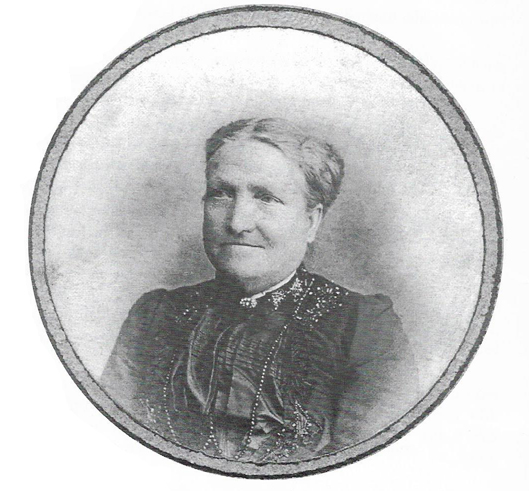
MrsFaulkner

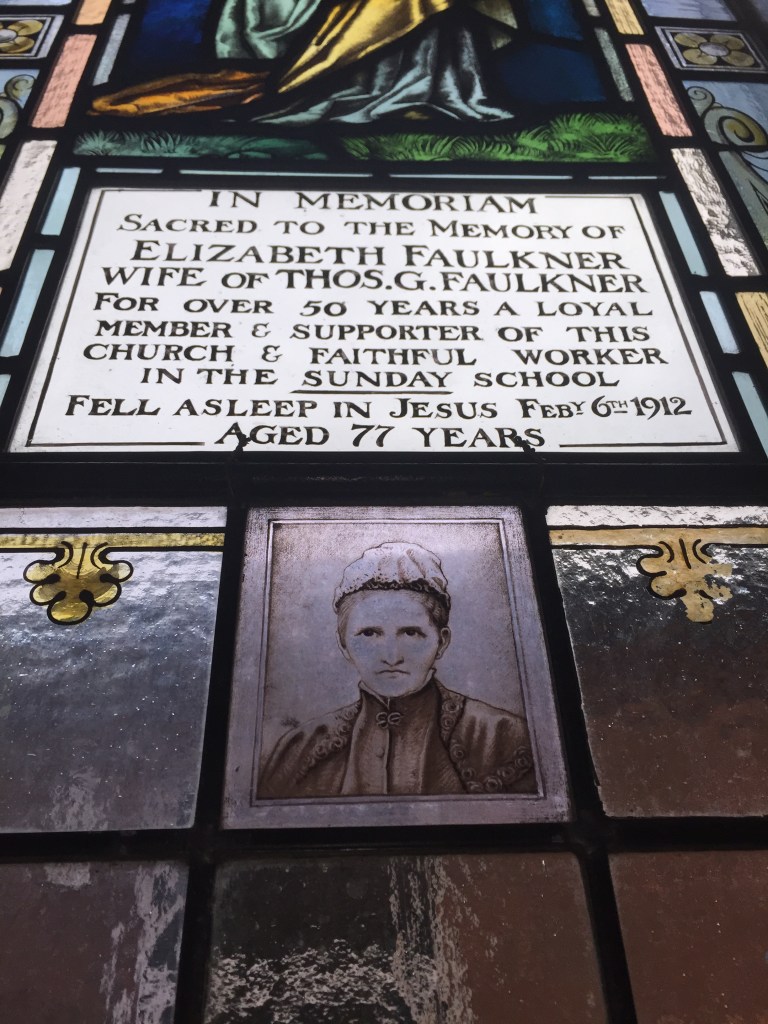
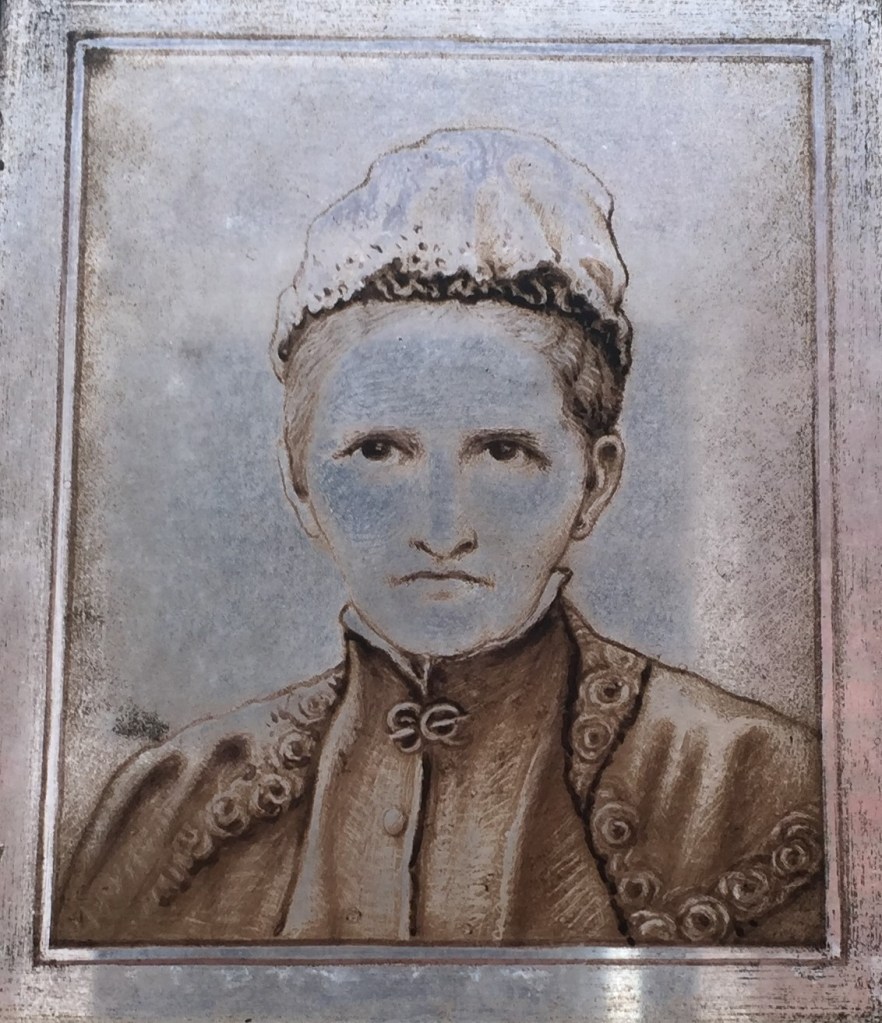
Mrs Gammage’s mother, Mrs T.G. Faulkner.

The chapel interior 
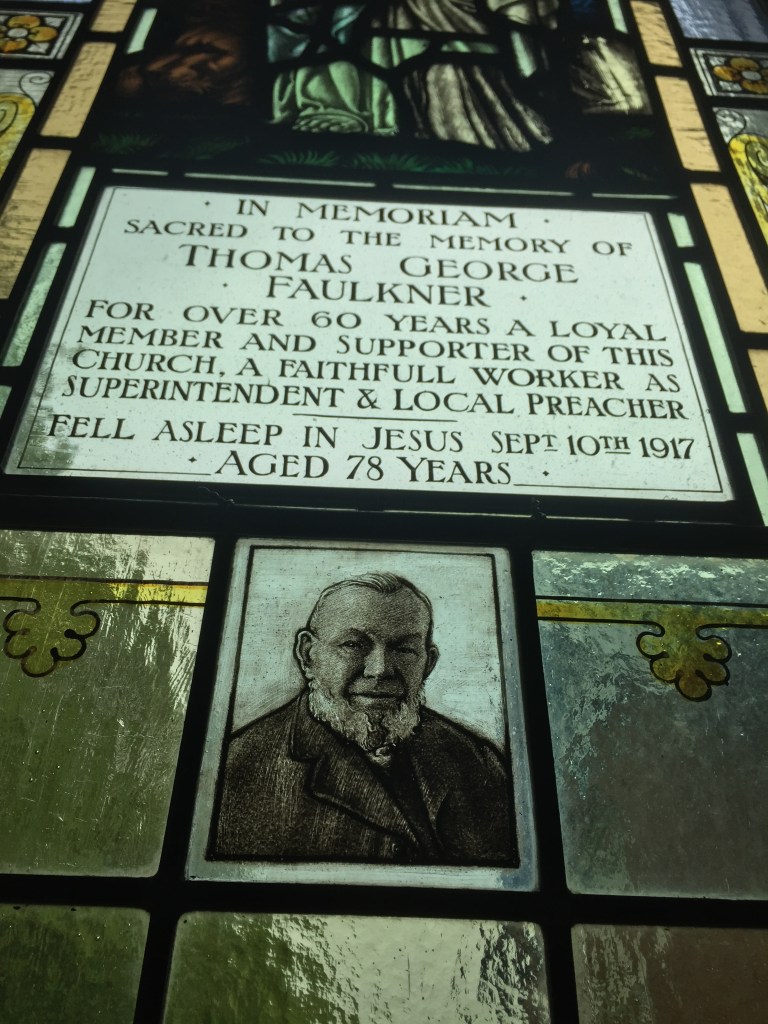
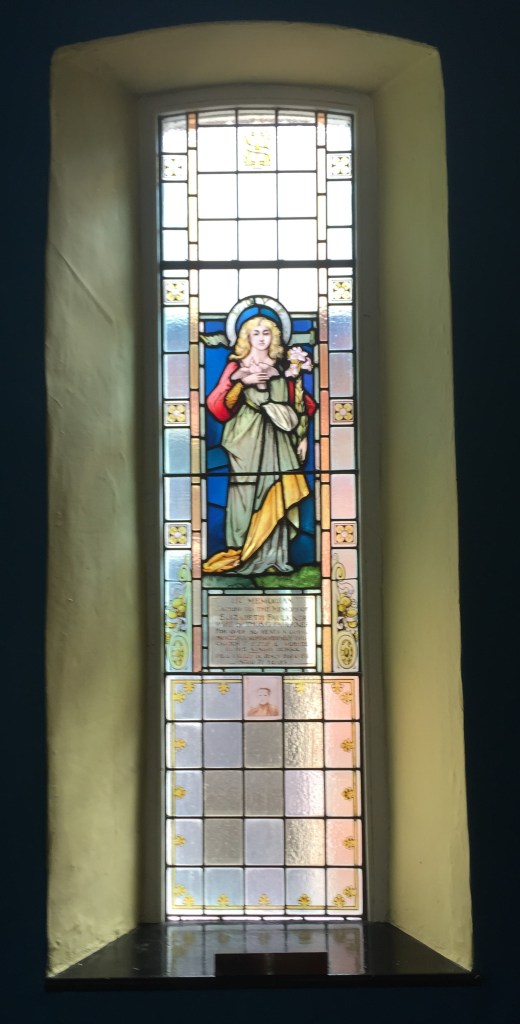
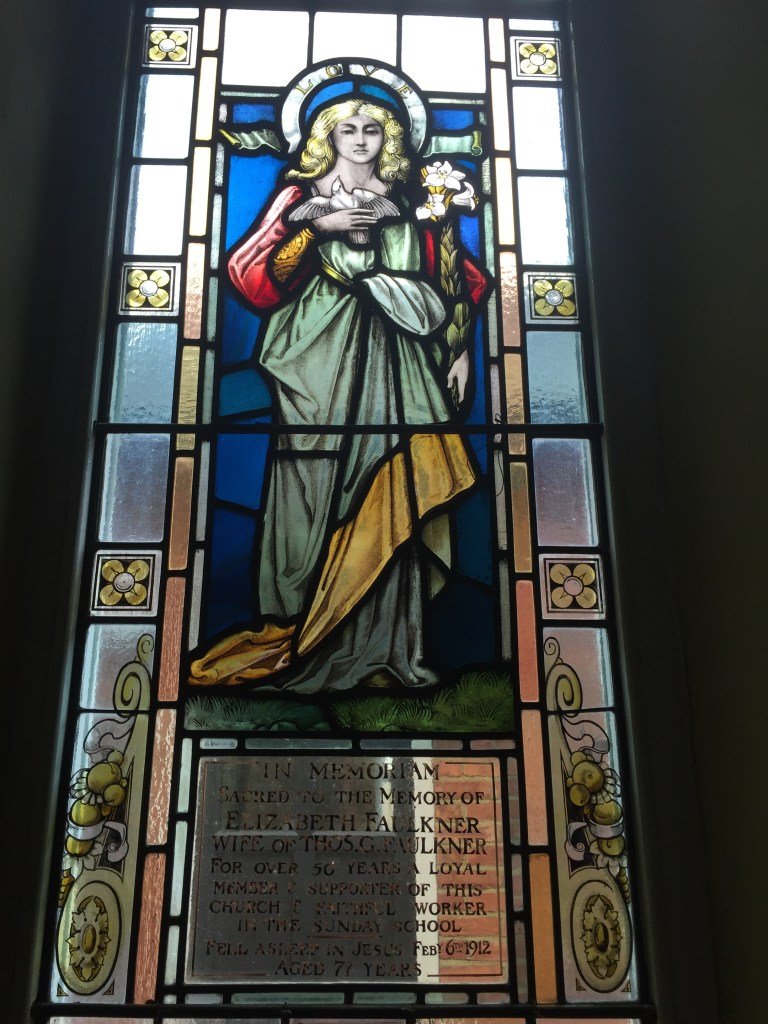
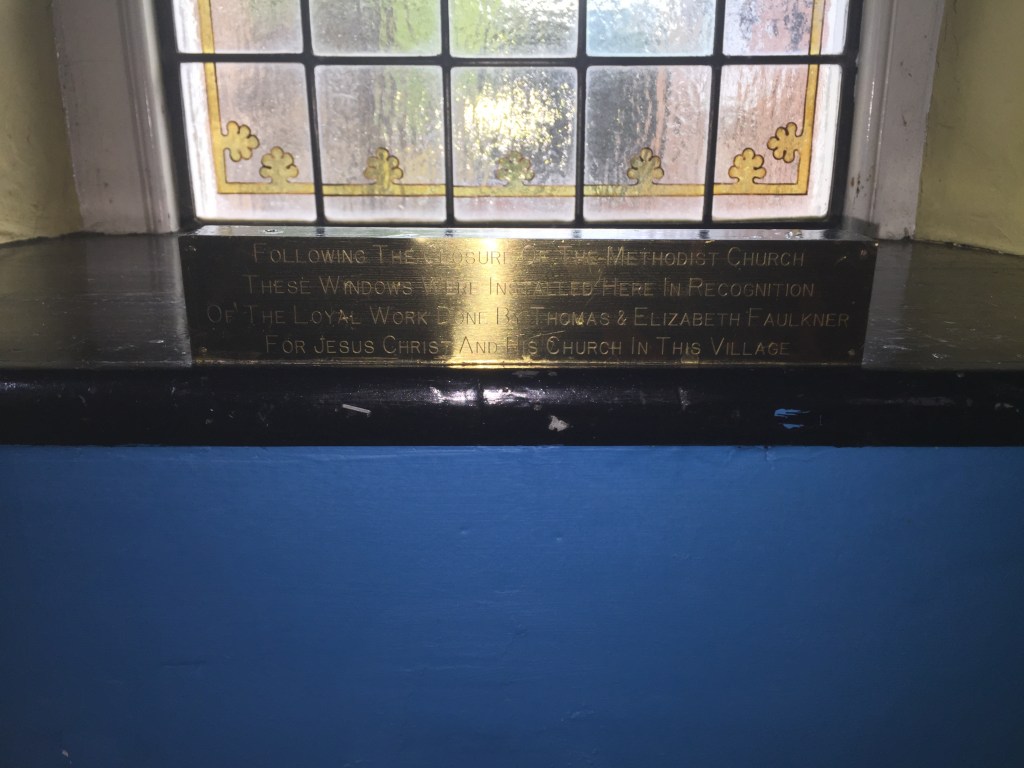
At the rear of the chapel was a gallery in which there was a large pump organ with two keyboards and a series of pipes. For almost fifty years from the early 1900’s this organ was played by Mrs Evelyn Clarke, a daughter of Wesley Faulkner and grand-daughter of Thomas Faulkner. Her two sons Keith and Dennis both remember operating the hand pump. Keith remembers how he had to watch a gauge which showed how much air was in the organ. When the gauge reached a certain level you had to pump air in by hand. It was tempting to allow the gauge to run low and risk silence in the middle of one of the hymns as the organ ran out of air. Dennis remembers as a youngster how the services seemed to be long and boring. Either side of the organ in the gallery was seating for the congregation. Downstairs, just inside the door there was a pulpit and there were wooden pews stretching to the back of the church. The carpets and upholstery were supplied and maintained by Pearce’s of Northampton and were rich blue in colour. The windows at the front of the church were stained glass and included the images of Mr and Mrs Thomas Faulkner.

The chapel business
Also in the Northampton Record Office is a the ‘minute book of the Heyford Trustees and Chapel Committee’ which has periodical entries between 1925 and 1960. Below are some details from this book which give a flavour of life in the chapel during that period.

May 1925 — it was agreed ‘that we install electric light at the Heyford Church and school’

June 1929 – an envelope system was established to enable members to ‘promise to contribute the sum of … per week towards the amount required for carrying on the work above church.’

Mrs Ralph Clarke 6d / W Faulkner 3d / Miss Furniss 6d / Mr and Mrs Furniss 1s Od’ / Mrs Thompson 3d / Alice Eales 3d

Feb 1937 – the general chapel committee acting on behalf of the Methodist Conference paid a grant of £10 ‘to aid the extinction of the debt of the Lower Heyford Methodist Chapel’ and also ‘that the trust should be renewed before long as the number (of trustees) living is now only five.’

]an 1938 – ‘we record that Miss Furniss be reappointed secretary, that Mrs Humphrey be the treasurer, that Mrs Clarke be reappointed organist, that the assistants be Miss Furniss and Miss Faulkner, that Mrs King be reappointed caretaker with remuneration as before, that the property stewards be Mr Warwick and Mr Faulkner’

Jan 1939 – ‘that Mr Arthur Humphrey be asked to procure a new ash bin’

Nov 1940 – ‘we record with sincere regret the death cy‘ one of our members brother Wesley N T Faulkner who passed away on Oct 19th 1940 and was buried in the Lower Heyford cemetery. Mr Faulkner had an almost lifelong association with the church… he was a local preacher, a class leader and a society steward’

Feb 1941 – the minutes refer to ‘Heyford Methodist Chapel (formerly Primitive Methodist)’

July 1941 — ‘that we receive with pleasure the gift of land adjoining the chapel from Mrs Wesley W Faulkner’

July 1942 — ‘that the repairs done by Mr W ] Denny to the front boundary wall of the chapel have been satisfactorily completed and that the bill of  £22.7s.4d has been paid’

Dec 1949 – ‘the meeting received with joy the inspiring and generous offer of Messrs Pearce regarding the renovations of the interior of the church… it was agreed that Mr Pearce ’s suggestion that the organ be brought down into the body of the church and the gallery be partitioned off be adopted’ .

Feb 1953 – ‘as the pipe organ had not been brought down into the church as agreed because of its need of repair, the minister offered to enquire whether it had been disposed of as being beyond repair. No definite information had reached the trustees as to its condition and whereabouts. It was noted that it had been in working order when removed. ’

Feb 1959  –  ‘new heating arrangements were discussed and it was decided to have electric convector heaters installed, these to be obtained through the kindness of Messrs Pearce and Co at wholesale prices’

Feb 1960 — ‘we record with sincere regret the passing of our dear friend and brother Mr Luther Furniss u/ho served the church in so many ways’

The Methodist chapel in the late 1930s

MethodistChapel_NetherHeyford

 Photo lent by ]udy Armitage.

The end of an era
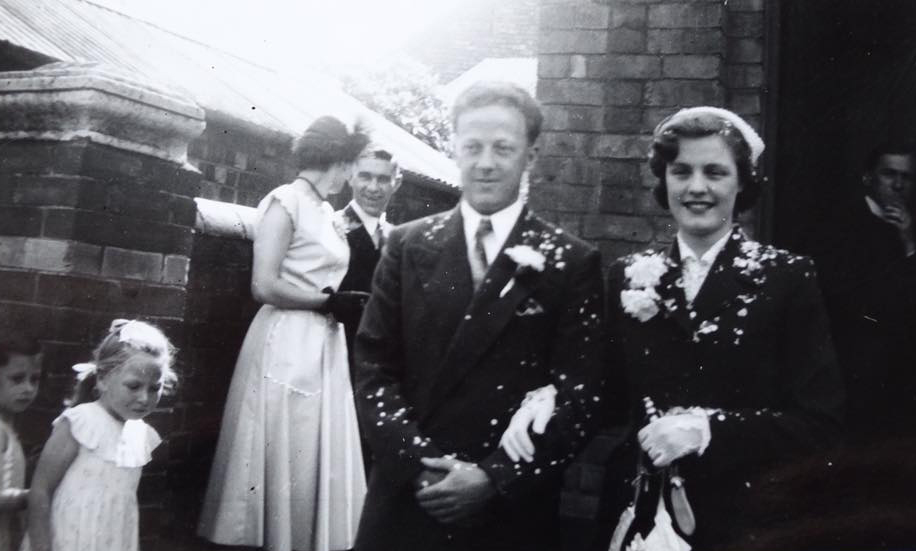
The last people to be married in the chapel were Keith and Brenda Clarke in 1953. The last christenings were of their children Elaine and Trevor. The congregation by this time was very small, certainly smaller than that of the Baptist chapel.

Keith & Brenda Clarke Wedding 1953

Brenda&Keith_Clarke

Photo from Trev Clarke, 2019 “The last wedding to be held there, my mum and dad  – Brenda and Keith Clarke”

By 1962 the chapel had virtually ceased to function. All the original trustees had died, and some of the few remaining members transferred to the Baptist chapel. In 1963 some of the pews, together with the stained glass windows which depicted members of the Faulkner family, were also moved from the Methodist to the Baptist chapel.

Between 1962 and 1965 there was considerable legal correspondence to establish ownership of the chapel, and of the land adjacent to it that had been donated. In 1965 it was finally sold to the Northamptonshire Association of Youth Clubs, and the Youth Club was formally opened in the Autumn of that year. After 130 years, Methodism in Heyford had come to an end.

Stephen Ferneyhough

Stained Glass Windows

Update Jez Wilson – November 2020

~~

Extract from “The Story of Heyford” – Local book series published in the late 1990’s

Volume 1 of 4 | Chapter 3 of 13 | Pages 6,7 & 8

TheStoryOfHeyford_NetherHeyford_Footer

Heyford’s Historical Heritage  |  How the books were created

Index  |  Covers

The Story of Heyford: Thomas Faulkner V1C2

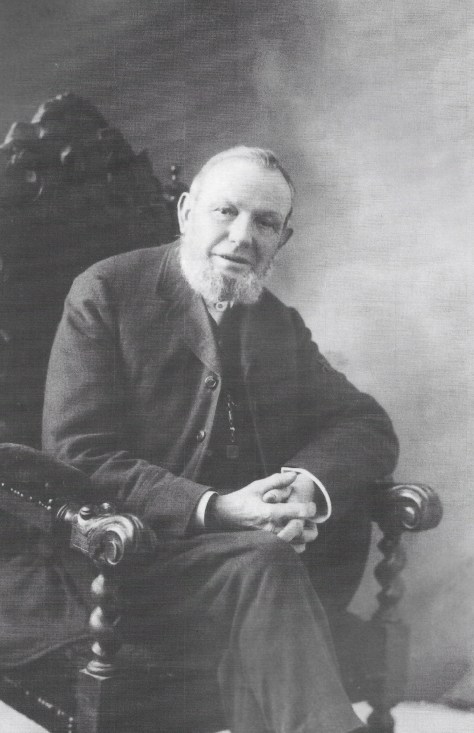
Thomas Faulkner was born in 1839 and died in 1917 at the age of 78. He was undoubtedly an influential member of the Heyford community. He was a baker by trade, he was one of the early chairmen of the parish council, and for fifty years he ran the Methodist chapel. On his death the Northampton Mercury printed that ‘his genial manner, kindly heart, ready sympathy, and active interest in all local and social matters, gained for him the respect, admiration and popularity of all with whom he came into contact, and his death will be mourned by a large circle of sympathisers.’

ThomasFaulkner.jpg

Photo lent by Dennis Clarke

An interview with Thomas Faulkner
In 1911, shortly after his golden wedding anniversary, the Mercury published an interview with him. That interview gives a wonderful insight into his life in the language of the day and is reprinted here with the kind permission of the Northampton Mercury.

From the Northampton Mercury, Friday 29th December, 1911
On Christmas Day Mr and Mrs T.G. Faulkner of Lower Heyford celebrated their golden wedding. For it was on Christmas Day 1861 Mr Faulkner fetched his bride from Abthorpe. “We were married at Caldecott” Mr Faulkner told a Mercury representative. “The Wesleyan chapel there was the nearest place to Abthorpe licensed for marriage in those days, and as we were Dissenters we preferred to be married at chapel, even at the cost of a little inconvenience.”

“I was born at Heyford and have lived here all my life. My first work was on a farm at threepence a day. Later I went in for shoe work. In those days many of us in Heyford got work to do from Northampton. I worked for Henry Marshall and also for Bostocks. We walked into Northampton to take our work in. It took all one’s time to earn 18s. I should say 16s was the average and you didn’t do that with the eight hour day. In those days Heyford was more prosperous though than now. There were two furnaces to give a lot of employment.”

“You gave up shoemaking?”

“Yes and I took up a bakers business. A bakehouse had long been unused and we rented it. I stuck to that ‘till my son took it over some years ago. Now I help him a good bit though.”

“What was the price of bread then?”

“Eightpence the quartern (4lb) loaf. I have known the price as low as threepence halfpenny on a contract. I can remember when people used to buy ‘sharps’ from us to make their own bread. The high price was not so good for bakers as the lower. We had to pay so much for flour and then of course we sold a good deal less. The reason bread was so dear at first I believe was bad harvests and a war.”

Mr Faulkner had been prominently associated with the public and religious life of the village. A staunch Liberal in politics he has always taken an active part in the general elections, and to him the Earl Spencer is still the ‘Honourable Robert’ of the seventies and eighties. “Oh yes” he said, “we had lively times but very little bitterness. I have always got on well with the Conservatives and with the Church people even though we did differ.”

For many years Mr Faulkner was a member of the Northampton Board of Guardians. “Compared with the other boards in the country” he said “the Northampton Board has always treated the poor in a most humane spirit. Coming into contact as I did with people from all over the country my blood boiled at the harsh manner other Boards treated the out relief cases.”

A member of the Parish Council and one of the School Managers, Mr Faulkner has done much good work for his native village. He has also been a prominent member of the AOF which he joined a few weeks after his marriage. For some years he was secretary to his lodge, and has held the office of treasurer for thirty years and more. Many times he has been a delegate at the High Court and has passed the chairs of the Northampton and Wellingborough District.

The Northampton Mercury, 1911

~~

Extract from “The Story of Heyford” – Local book series published in the late 1990’s

Volume 1 of 4 | Chapter 2 of 13 | Pages 4 & 5

TheStoryOfHeyford_NetherHeyford_Footer

Heyford’s Historical Heritage  |  How the books were created

Index  |  Covers

The Story of Heyford: Heyford’s Midwife V1C1

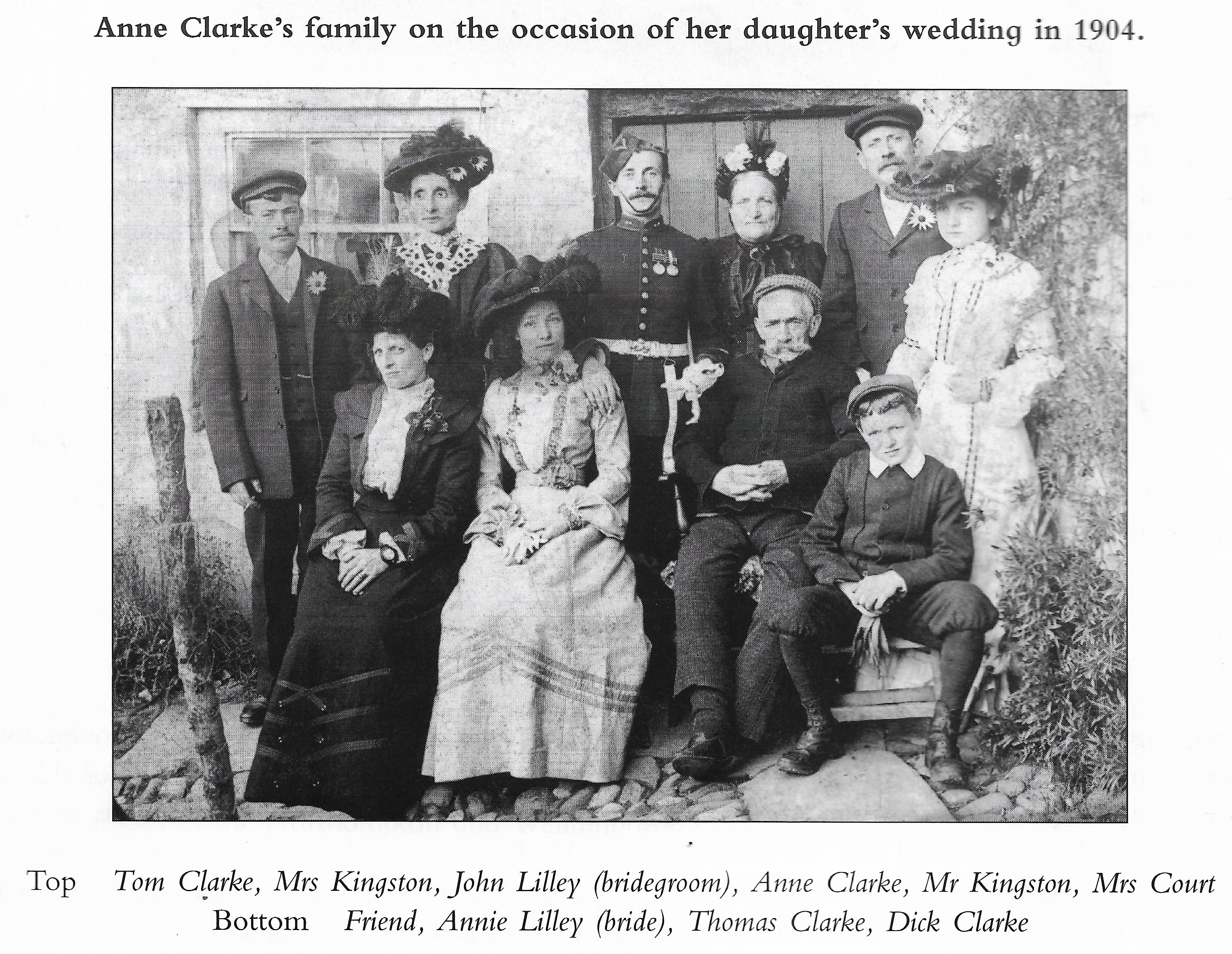
Anne ClarkeMrs Anne Clarke was a midwife in Heyford for forty years. Born around 1846, Miss Bateman as she then was took a nurses training course at St Thomas’ Hospital in London. She was sent to Heyford to recover from housemaid’s knee, where she met and married Thomas Clarke. He was a village man who worked at the old brickyard in Furnace Lane. They bought a little thatched cottage that used to stand on the corner of Church Street, opposite the little village green, and had nine children. Mrs Clarke later took an interest in midwifery and became the village midwife for forty years, and it is said that she was reluctant to give up even then.
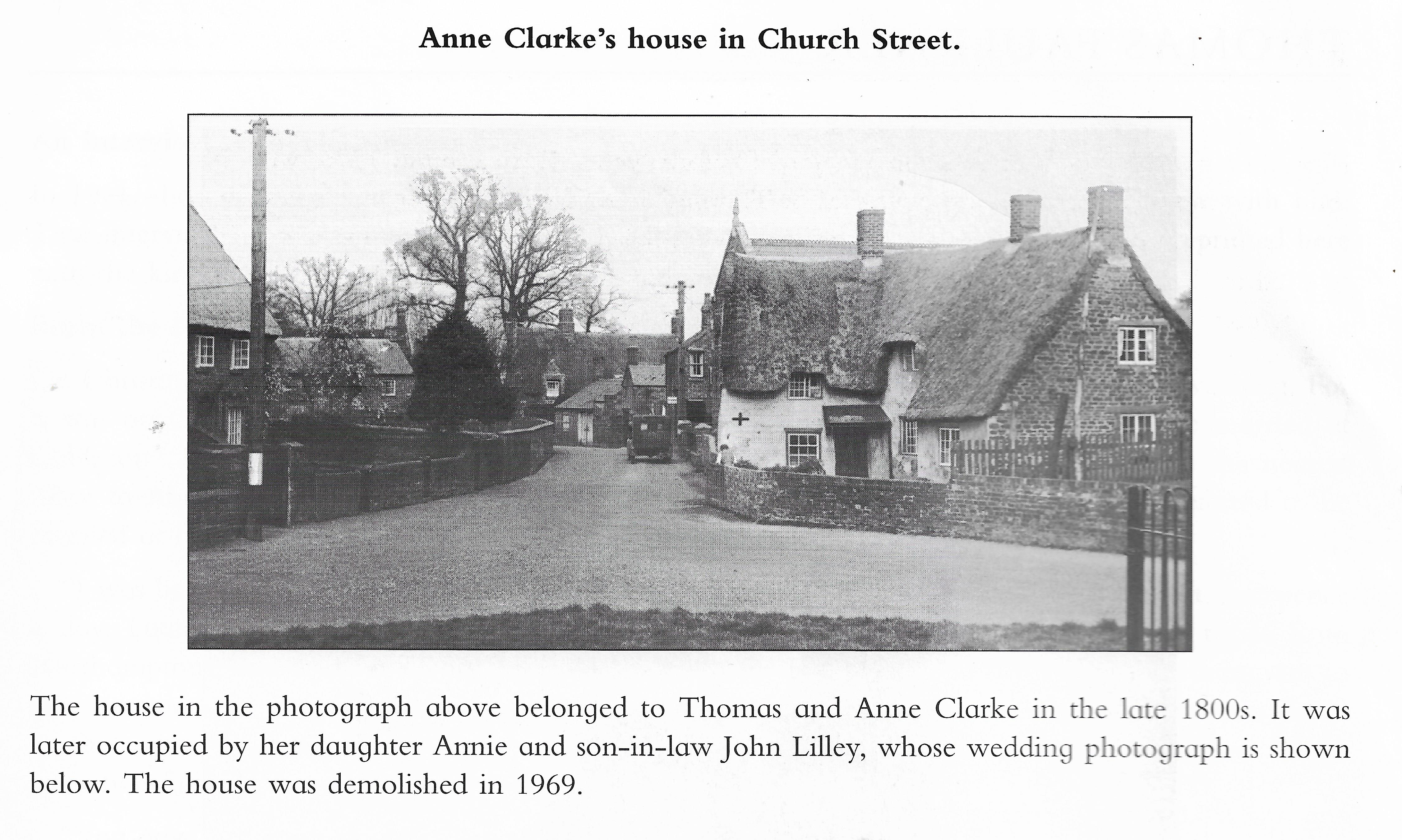
Outside her house Mrs Clarke kept a long pole which was used to tap her bedroom window should she be needed in the night. She attended all confinements on her own and visited her patients daily for two weeks. One story suggests that she had two confinements at the same time, one at Upper Heyford and one at Upper Stowe, and a pony and trap had to rush her from one home to the other. She made one delivery on a boat on the canal. The next morning the boat had gone. She had to give evidence in court as the baby had not been registered. They later traced the family up north.

Mrs Clarke is remembered as always wearing a hat and shawl, carrying a black bag and a supply of candles and sheets, as some families lacked these necessities. She could be seen every day at noon with her little white jug fetching her half pint of stout (at a cost of 2d) from the pub ‘to keep her going’. Her charge for a confinement was 7/6d which could be paid in instalments of 9d at a time. As families were larger and closer then, it is possible that these instalments were a regular allowance in the family budget for a while.

She had a brother in America who regularly sent her a dollar note which was a great deal of money in those days. On her old age pension of 10/-she managed to fatten up a pig for the winter, pay 1/- for a bag of coal, and still manage her half pint a day!

Anne Clarke was a widow for a number of years and died during the 1939-45 war at the age of 95. Several of her descendants still live in Heyford and no doubt have heard many a tale of their grandmother or great-grandmother.

Shirley Collins

House

AnneClarke_Family.jpg

Photos lent by: Mick Lilley

~~

Extract from “The Story of Heyford” – Local book series published in the late 1990’s

Volume 1 of 4 | Chapter 1 of 13 | Pages 2 & 3

TheStoryOfHeyford_NetherHeyford_Footer

Heyford’s Historical Heritage  |  How the books were created

Index  |  Covers